In the realm of home and business maintenance, plumbing and waste management often take a backseat to more glamorous concerns. However, these systems play a crucial role in maintaining health, hygiene, and environmental sustainability. As communities increasingly prioritize eco-friendly practices, understanding sustainable plumbing and waste management becomes essential for homeowners and businesses alike.
Understanding Sustainable Plumbing
Sustainable plumbing combines traditional practices with modern innovations to minimize resource consumption while maximizing efficiency. It focuses on materials, methods, and technologies that reduce the environmental impact of water use and waste disposal.
Water Conservation Techniques
One of the cornerstones of sustainable plumbing is water conservation. Traditional fixtures often use excessive amounts of water which can contribute to wastefulness. Replacing standard toilets with low-flow models can save an average household over 13,000 gallons of water per year. Similarly, installing aerators on faucets can reduce flow without sacrificing pressure, leading to significant savings over time.
Another effective method is harvesting rainwater. Rain barrels can capture runoff from roofs for use in irrigation or other non-potable applications. This practice not only conserves municipal water supplies but also helps professional drain cleaning techniques manage stormwater runoff, reducing erosion and pollution in local waterways.
Eco-Friendly Materials
The choice of materials in plumbing systems can have a substantial impact on sustainability efforts. Copper pipes are highly durable and recyclable but require significant energy to produce. Alternatively, PEX (cross-linked polyethylene) piping is gaining popularity due to its flexibility, ease of installation, and reduced energy footprint during production.
Moreover, look for products certified by organizations like WaterSense or Energy Star when selecting fixtures or appliances. These certifications ensure that the products meet rigorous efficiency standards while providing performance comparable to their less eco-friendly counterparts.
Waste Management: Reducing What Goes Down the Drain
Waste management in plumbing extends beyond just handling sewage; it encompasses how we deal with solid waste as well. Understanding what can safely go down drains is vital to preventing blockages and protecting the environment.
The Importance of Proper Disposal
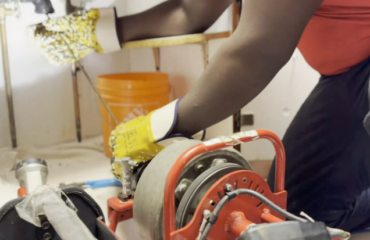
Improper disposal of items such as grease, wipes, or food scraps can lead to clogged drains and costly repairs. For instance, fats and oils solidify in pipes causing blockages that may require professional drain cleaning services. Educating individuals on proper disposal methods is paramount — for example, used cooking oil should be cooled and recycled through designated collection sites rather than poured down the sink.
In commercial settings like restaurants or office buildings, implementing grease traps can significantly reduce the amount of harmful substances entering sewer lines. Regular maintenance of these traps ensures they function effectively while minimizing odors and backups.
Composting: A Sustainable Alternative
Composting offers an innovative solution for managing organic waste effectively. Instead of tossing food scraps into landfills where they decompose slowly and release methane—a potent greenhouse gas—composting allows these materials to break down naturally into nutrient-rich soil amendments.
For homes with gardens or landscaping needs, composting not only reduces overall waste but also enhances soil quality without resorting to chemical fertilizers. Many municipalities offer compost bins at reduced prices to encourage residents to adopt this green practice.
Professional Services: The Role They Play
While many sustainable practices can be implemented by individuals or families, engaging professional services often leads to better long-term outcomes. Professionals specializing in drain cleaning provide essential expertise that ensures systems function optimally while adhering to environmentally friendly standards.
Choosing a Reliable Service Provider
When seeking out professionals for plumbing or waste management services, consider those who prioritize sustainability in sewer cleaning their operations. Look for companies that use eco-friendly products for drain cleaning or employ techniques that minimize negative environmental impacts during sewer line cleaning processes.
Engaging a reliable service provider not only aids in immediate issues like clogged drains but also contributes positively towards longer-term sustainability goals within your community.
Emergency Situations: Sustainable Responses
Emergencies in plumbing—such as burst pipes or severe clogs—can cause panic among homeowners or business operators alike. However, even in these moments there are sustainable practices worth considering.
Prioritizing Immediate Needs Responsibly
During an emergency drain cleaning situation where quick action is necessary to avoid property damage from flooding or backups, it’s critical to engage services that utilize environmentally safe chemicals if needed. Traditional methods involving harsh chemicals can exacerbate environmental issues downstream when they enter wastewater systems.
Furthermore, some companies offer bio-based products designed specifically for emergency situations which break down organic material without harming beneficial bacteria present in sewer systems—providing both immediate relief and long-term benefits.
Long-Term Strategies for Sustainability
Implementing changes at both individual and community levels fosters a culture of sustainability regarding plumbing and waste management practices. Here are several strategies:
Education: Providing resources about eco-friendly habits related to water usage and waste disposal encourages responsible behavior.
Community Programs: Initiatives aimed at promoting recycling efforts or organizing neighborhood clean-up days strengthen community ties while enhancing local environments.
Incentives: Offering financial incentives for adopting sustainable practices — like rebates on low-flow fixtures — motivates individuals towards greener choices.
Monitoring Usage: Installing smart water meters helps track consumption patterns allowing users to identify areas for improvement.
Collaboration: Partnering with local environmental organizations may amplify outreach efforts surrounding sustainable plumbing practices throughout your area.
Conclusion
Sustainable practices in plumbing and waste management are vital components contributing not just toward personal satisfaction but also toward larger global goals regarding resource conservation and ecological preservation. By employing strategies focused on efficiency — whether through innovative technologies or simple behavioral changes — individuals can play meaningful roles within their communities while nurturing our planet's future integrity.
As we embrace these principles collectively across neighborhoods—through informed choices about what flows through our pipes—we foster healthier ecosystems capable of supporting generations yet unborn.
The road ahead may require adjustments but ultimately leads us toward more resilient infrastructures ready to adapt alongside changing environmental landscapes—making our homes not only places we live but sanctuaries that promote harmony with nature itself!