Clogged drains are a common household issue that can escalate into significant problems if not addressed promptly and effectively. Understanding the various types of clogged drains, their causes, and solutions can save homeowners time, money, and frustration. Whether you are dealing with a minor blockage or a severe obstruction that requires emergency assistance, having a grasp of the underlying issues is crucial.
Common Causes of Clogged Drains
Clogs can occur in any drainage system, whether residential or commercial. Some frequent culprits include:
- Hair: One of the most prevalent causes of bathroom drain clogs is hair accumulation. Over time, strands can bind together with soap scum and other debris, forming a stubborn blockage. Grease: In kitchen sinks, grease from cooking oils often solidifies in pipes as it cools down. This accumulation can gradually narrow the passage until it becomes fully blocked. Food Waste: Disposing of food scraps down the sink can lead to clogs. Even with garbage disposals, fibrous or starchy items like potato peels or celery can create problems. Foreign Objects: Items such as toys, toothbrushes, or sanitary products can accidentally find their way into drains. These foreign objects often require professional intervention to remove. Tree Roots: In older homes or properties with mature landscaping, tree roots can invade sewer lines in search of moisture. This intrusion leads to blockages and sometimes severe damage to pipes.
Recognizing these causes allows homeowners to take preventative measures to avoid future issues.
Types of Clogged Drains
Clogs can manifest in several forms, affecting various parts of your plumbing system. Understanding these types helps identify the appropriate solutions.
1. Kitchen Sink Clogs
Kitchen sinks commonly experience clogs due to grease buildup and food waste. When water drains slowly or backs up into the sink, it signals a potential blockage in the pipes leading away from the sink. Regular maintenance through preventive cleaning—such as using hot water mixed with baking soda—can help keep these drains clear.
2. Bathroom Sink and Shower Clogs
Hair is often the primary offender in bathroom sinks and showers. If you notice that water pools around your feet while showering or if your sink fails to drain properly after washing your face, it's likely due to hair-filled pipes. A simple tool like a hair catcher can be a long-term solution for this common issue.
3. Toilet Clogs
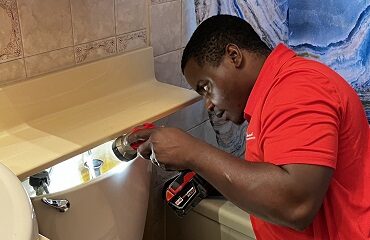
Toilet clogs tend to be more severe than those in other areas since they involve human waste and toilet paper. While many clogs may be resolved with a plunger, recurring issues could indicate deeper plumbing problems requiring professional drain cleaning service.
4. Main Sewer Line Clogs
The main sewer line carries wastewater away from your home to municipal systems or septic tanks. When this line backs up due to tree roots or excessive waste buildup, it results in serious complications throughout the entire plumbing system. Signs include multiple drains backing up simultaneously and foul odors emanating from fixtures.
5. Floor Drain Clogs
Floor drains are typically found in basements and garages for excess water drainage but can become clogged from debris accumulating over time or improper disposal practices during cleaning projects. Keeping floor drains clear is essential for preventing flooding during heavy rainstorms.
Identifying Signs of Trouble
Understanding when you have a clog is critical for prompt action before situations worsen:
- Slow Draining Water: This is often one of the first signs indicating an impending clog. Unpleasant Odors: Foul smells coming from drains suggest something has gone wrong within your plumbing system. Gurgling Sounds: If you hear gurgling sounds when flushing toilets or running taps, air trapped in pipes indicates a blockage. Multiple Fixtures Backing Up: If more than one drain shows signs of clogging simultaneously—like water rising in one fixture when another is used—this could point to a main sewer line issue.
Taking note of these indicators allows homeowners to act quickly before more costly repairs are necessary.
Professional Drain Cleaning Services
While some clogs may be manageable with DIY methods like plungers or homemade remedies using vinegar and baking soda, others require professional expertise:
Inspection: Using cameras for video inspection allows professionals to accurately diagnose blockages deep within pipes without intrusive methods.
Hydro Jetting: This high-pressure water jetting technique clears tough clogs by blasting through debris build-up effectively without damaging pipes.
Snaking: A plumbing snake provides targeted removal for specific blockages without needing extensive disassembly of plumbing systems.
Sewer Line Cleaning: Regular maintenance on sewer lines prevents root intrusions and significant buildups that could lead to more severe issues down the road.
Emergency Services: For immediate assistance during emergencies—such as basement flooding caused by backed-up sewage—professional services ensure quick resolution before property damage occurs.
Engaging professional services not only resolves existing issues but also provides peace of mind through preventative maintenance recommendations.
Preventative Measures
Taking proactive steps reduces overall risk for clogged drains:
- Install mesh screens over sink openings; this traps hair when washing without blocking water flow. Dispose of grease properly; pour cooled fats into containers rather than down kitchen sinks where they can solidify inside pipes. Educate family members about what belongs down toilets versus trash bins; even biodegradable items may not break down effectively within plumbing systems.
Following these tips aids long-term care of drainage systems while preventing future headaches associated with clogged drains.
Emergency Drain Cleaning
Sometimes unexpected disasters happen despite our best efforts at prevention; knowing how to react appropriately becomes essential!
When faced with emergencies such as sewage backups resulting from severe blockages:
1) Shut off all running water immediately; this prevents further pressure build-up within affected lines causing emergency sewer line cleaning additional damage elsewhere in your home’s plumbing structure.
2) Avoid self-remediation attempts unless comfortable doing so; amateur fixes could worsen situations instead leading them toward costly repairs later on!
3) Call an experienced plumber who specializes specifically in emergency situations—they’ll have tools available capable enough handling whatever obstacles arise ensuring swift resolutions minimizing damages incurred!
Acknowledging severity levels among different types clogging both informs decisions made while navigating challenges posed by each scenario encountered ultimately saving valuable resources required restoring normalcy back into everyday life again!
Conclusion
Understanding different types of clogged drains equips homeowners with knowledge necessary for effective long-term management strategies promoting healthier living environments free from disruptive inconveniences disrupting daily routines! By recognizing symptoms early on alongside engaging qualified professionals whenever needed ensures optimal functionality throughout entire residential/commercial infrastructures safeguarding investments against potential pitfalls arising unexpectedly along way!